
How to Train for the Bike Leg of Your First Triathlon

How to Train for the Bike Leg of Your First Triathlon
If you’re preparing for your very first triathlon, the bike leg can feel like the big unknown. It’s usually the longest section of the race, it involves the most kit, and if you’re not already a confident cyclist, it can bring up plenty of questions.
Do I need a fancy bike? How fast should I ride? What if there are hills? What if my legs feel awful when I start running?
The good news is you don’t need to be a lifelong cyclist to have a strong, steady and enjoyable bike leg. You just need to train in a way that builds confidence, comfort and control.
A quick note before we go any further: this advice is mainly aimed at athletes preparing for their first sprint or standard-distance triathlon. If you’re jumping straight into a 70.3 or IronMan, the same principles still apply, but there’s more nuance around training volume, fuelling, pacing and bike comfort. The longer the race, the more important it becomes to have a clear plan and practise it well in advance. For longer distances, we’d recommend working with a coach or, at the very least, following a structured training plan.
You Don’t Need the Fanciest Bike
First, let’s clear up one of the biggest worries. You do not need the most expensive bike on the rack to complete your first triathlon. A safe, well-maintained bike that fits you reasonably well is far more important than having the latest bit of kit.
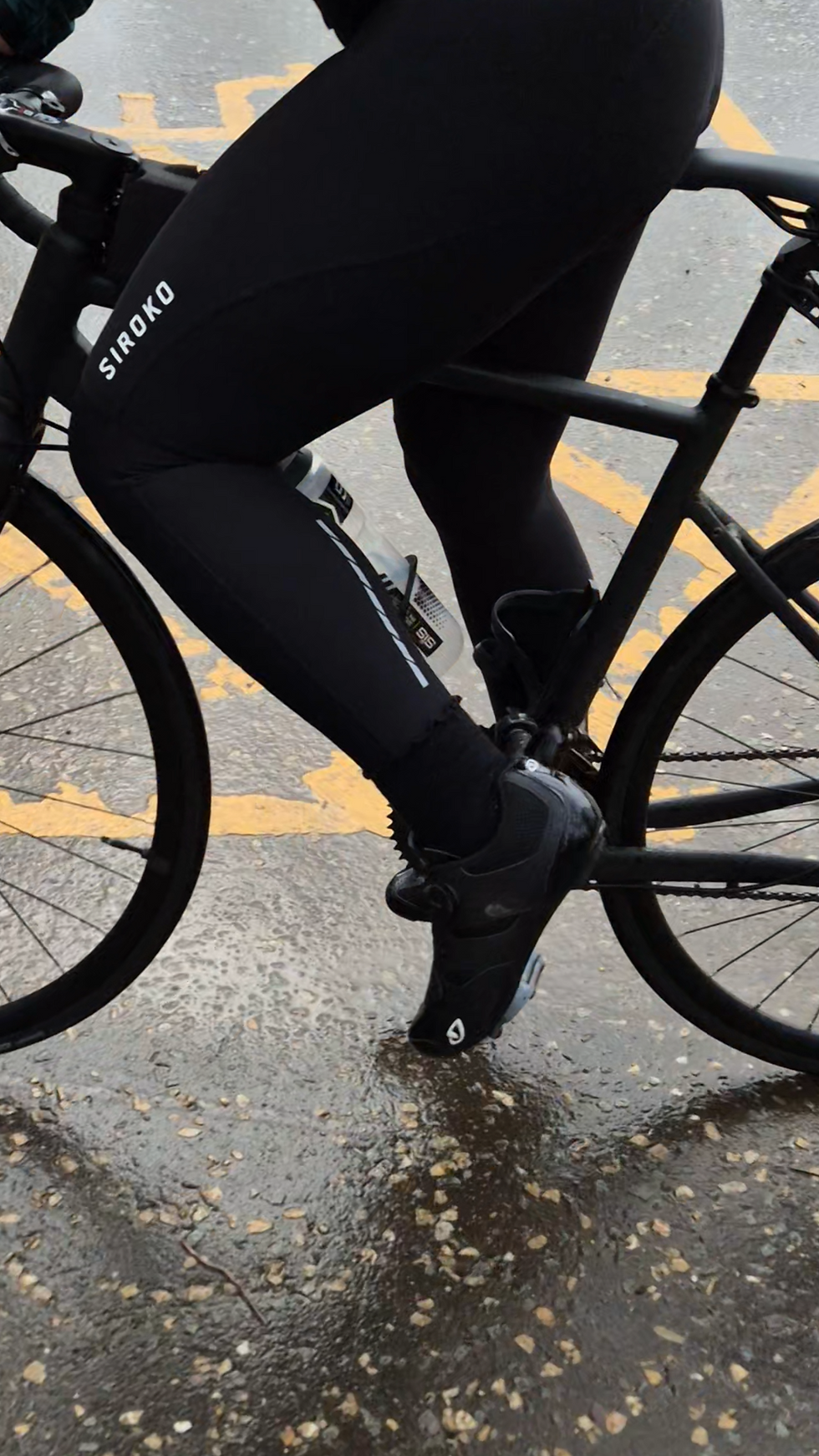
For your first race, the goal is not to look like a professional. It’s to ride safely, pace sensibly and arrive at the run feeling like you’ve still got something left. You don’t even need to clip in if you don’t want to. If riding in your running trainers makes you feel safer and more confident, that is absolutely fine.
Understand What the Bike Leg Really Needs
The bike leg is not just about cycling fitness. It’s about knowing how to ride when you’ve already swum, managing your effort, taking on fluid or fuel if you need it, and staying calm enough to make good decisions.
That’s why your training should include more than just jumping on the bike and riding as hard as you can.
Start With Consistency
Consistency is the best place to start. For many first-time triathletes, two bike sessions a week is a good minimum, with three being ideal if time, recovery and your wider training allow.
That might look like one shorter, steady ride during the week, one session with a little more focus such as hills, cadence or controlled efforts, and one slightly longer ride at the weekend.
You don’t need every session to be fast or complicated. In fact, most of your riding should feel controlled and comfortable. If you can build regular time on the bike, your confidence and fitness will improve quickly.
Get Comfortable on the Bike
Comfort matters. If you are uncomfortable after 20 minutes in training, race day will feel much harder than it needs to.
Pay attention to the simple things: saddle comfort, hand position, neck and shoulder tension, and whether you feel in control when braking, changing gear or cornering. Small adjustments can make a big difference, especially if you are still getting used to riding outside or spending longer periods in the saddle.
You don’t necessarily need a professional bike fit for your first short-distance triathlon, but if you’re experiencing pain, numbness, ongoing discomfort, or you’re moving towards longer-distance racing, it is well worth considering. Being comfortable on the bike isn’t just about feeling better; it can also help you ride more consistently and arrive at the run in better shape.
Practise Pacing
Then there’s pacing, which is where triathlon cycling becomes slightly different from a normal ride. It is very easy to get carried away on the bike, especially if you feel relieved to be out of the swim.
But if you ride too hard, the run will let you know about it. For a first triathlon, the bike should feel steady rather than desperate. You should be working, but not burying yourself.
A useful guide is this: if you’re already worrying about how you’ll run while you’re halfway through the bike, you’re probably pushing too hard.
Add Brick Sessions
This is also where brick sessions come in. A brick session simply means doing one discipline straight after another, most commonly a bike followed by a short run.
The first time you run off the bike, your legs might feel heavy, strange or not entirely your own. That’s normal. You don’t need to run for miles after every single ride, but adding a few short, easy runs after a couple of bike sessions leading up to your triathlon can help your body and mind get used to the feeling.
Practise the Practical Bits
It’s also worth practising the practical bits before race day. Drink from your bottle while riding. Get used to changing gears before you hit a hill, not halfway up it. Practise starting, stopping, braking and looking around you safely.
If you’re using cleats, make sure clipping in and out feels familiar well before the race. If you’re not using cleats, that’s fine too. Your first triathlon is not the time to introduce kit you don’t feel confident with.
Train for the Course
The course itself matters as well. If your race route is hilly, try to include some hills in training. If it’s likely to be windy or exposed, practise riding in those conditions if you can and when it’s safe to do so.
You don’t have to recreate the exact course, but it helps to know what kind of ride you’re preparing for. Turning up to a hilly race having only ridden flat routes can make the day feel much more intimidating than it needs to.
Keep Fuelling Simple
Fuelling is another area to keep simple. For shorter races, you may not need much on the bike beyond fluid, but you still need to practise drinking while riding.
For longer events, you’ll need to think more carefully about taking on carbohydrates during the bike leg. Whatever you plan to use, practise it in training first. Race day is not the time to discover that a certain gel, bar or drink does not sit well in your stomach.
Use Race-Day Kit in Training
In the final weeks before your race, try to train with the bike, kit and set-up you plan to use on the day. Wear the shorts or tri suit you’ll race in. Use the bottles you’ll use on the course.
Check your tyres, brakes and chain before race week, the night before and the morning of. None of this needs to be complicated, but it all helps reduce stress when race morning arrives.
Remember the Bigger Picture
Probably the most important thing is to remember what the bike leg is there to do. It is not just a standalone cycling test. It is the middle part of a swim-bike-run event.
A good bike leg is one that gets you to T2 safely, confidently and with enough energy left to run.
So if you’re training for your first triathlon, don’t worry about chasing the perfect bike split. Build consistency, get comfortable, practise the basics and learn how to pace yourself. The more familiar the bike feels in training, the less intimidating it will feel on race day.
Your first triathlon bike leg doesn’t need to be fast, fancy or flawless. It just needs to be controlled, well-practised and yours.
If you’re not sure how to structure your training, or you want support getting ready for your first triathlon, our coaching can help you build confidence across the swim, bike and run so you arrive on the start line feeling prepared.


Comments